Plug-in solar is
legal in Utah.
Only Utah.
The kit runs $1,299 — or $1,899 with roof install — and pays back in under 4 years. HB 340 made it legal in 2025.

RMP rates climb. Your kit's payback shrinks.
RMP filed a 30.5% residential rate increase in 2024. The Public Service Commission cut it back; another rate case followed in 2025. New gas plants, data-center load growth in northern Utah, and aging transmission all push the same direction.
A plug-in kit is a one-time cost. Whatever it offsets next year, it offsets at next year's rate. That's the whole pitch.
About $365 a year off your bill.
Based on Rocky Mountain Power's residential schedule and a Utah install benchmark. Actual savings depend on orientation, shading, and consumption habits.
The five questions we get most.
Is this actually legal?
Yes. HB 340 passed unanimously in both Utah chambers in 2025, 72–0 in the House and 27–0 in the Senate. Utah is the only state where you can do this today, full stop.
Is it safe to plug solar into a wall?
The inverter is UL 1741 certified, the same anti-islanding standard professional rooftop systems use. Lose grid power and it shuts off in milliseconds, so you can't back-feed a downed line. Outdoor outlets are GFCI-protected and almost always on their own circuit. Short answer: yes, it's safe.
Do I need permits, an electrician, or RMP's approval?
None of the three. HB 340 removed all those requirements for systems under 1,200W AC. You'll want to request a free bidirectional smart meter from RMP before plugging in, but it isn't legally required.
Will I get paid for excess power?
No. HB 340 is offset-only. You save on power you use while it's being generated; power that flows past your meter to the grid is uncompensated. The smart meter keeps export from being billed against you, it just doesn't earn a credit.
What about renters, HOAs, or apartments with no yard?
HB 340 doesn't distinguish renter from owner. Utah strengthened HOA solar protections separately under HB 119. If you have an outdoor outlet and a sunny patch of patio, balcony, or yard, you can run a kit.
- •20-year loan or financing
- •Permits, inspections, interconnection
- •3–6 month timeline
- •Roof penetrations
- ✓One-time purchase, no financing
- ✓No permits, no utility paperwork
- ✓Plug in the same day it ships
- ✓Moves with you — unbolt and take it
A plug-in kit covers about 12–18% of an average Utah home's electric bill — roughly $365/yr.
Pick a kit.
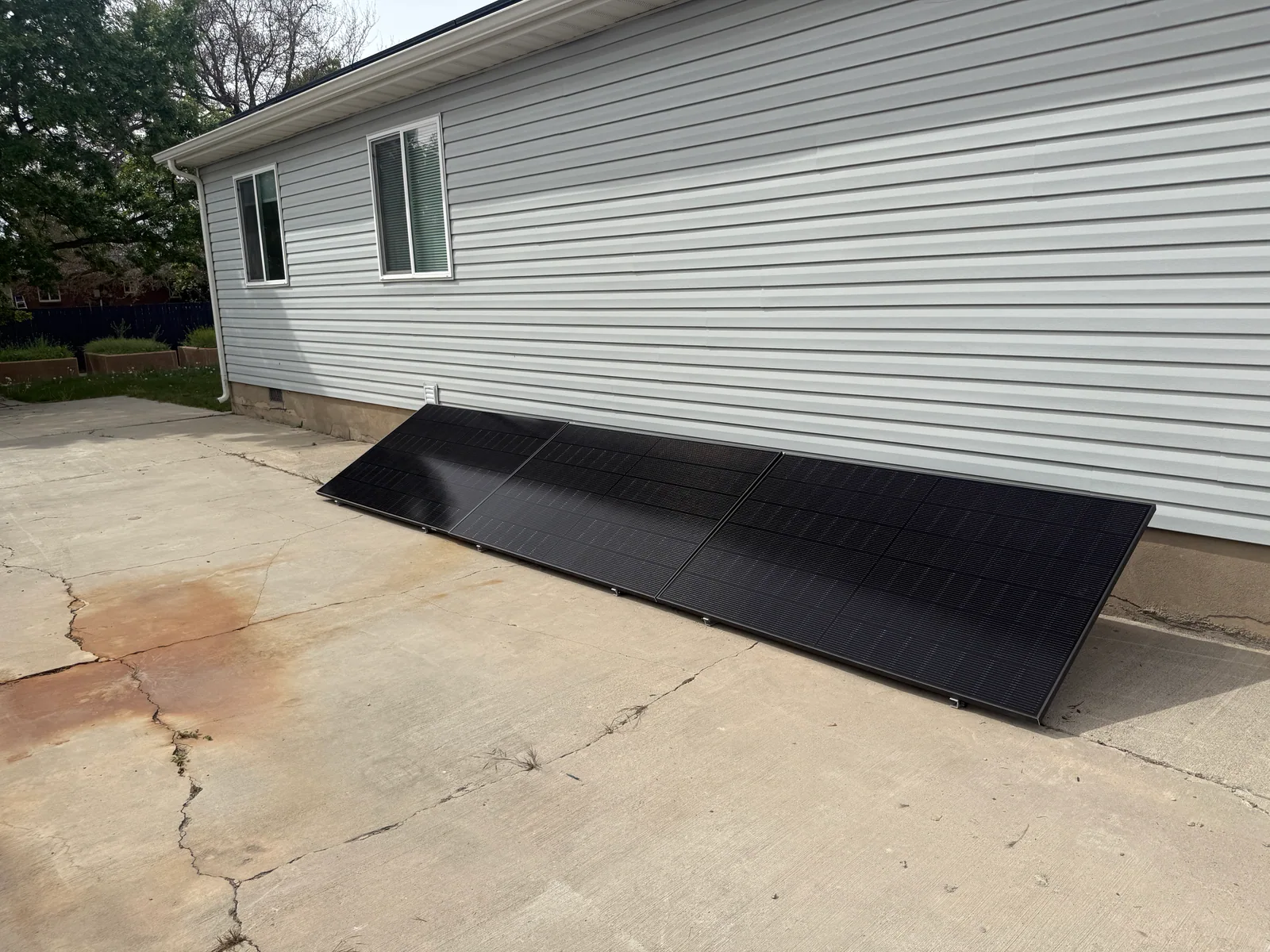
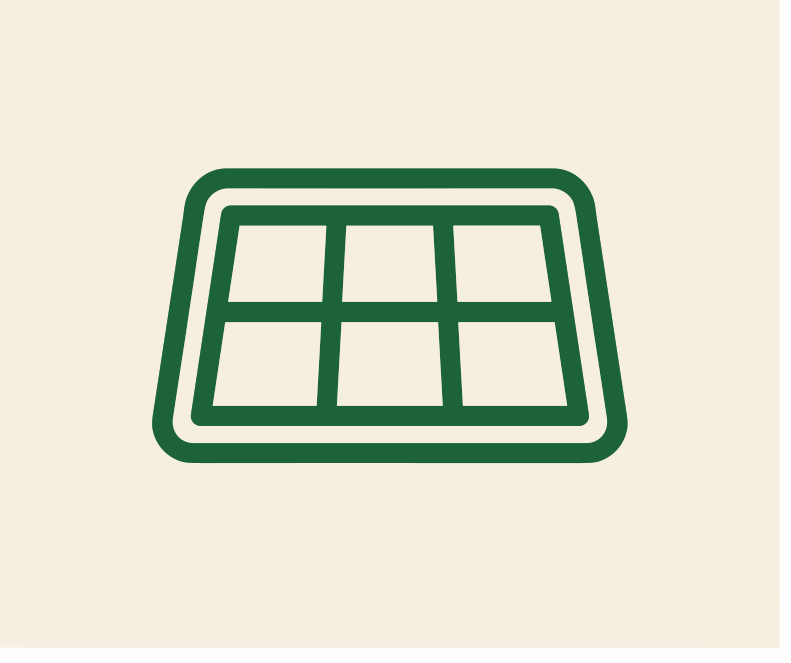
3 Panel
1,200W AC · 3 × 460W DMEGC · EcoFlow STREAM
- Output 1200W
- Annual savings ~$365
- Payback ~3.6 yr


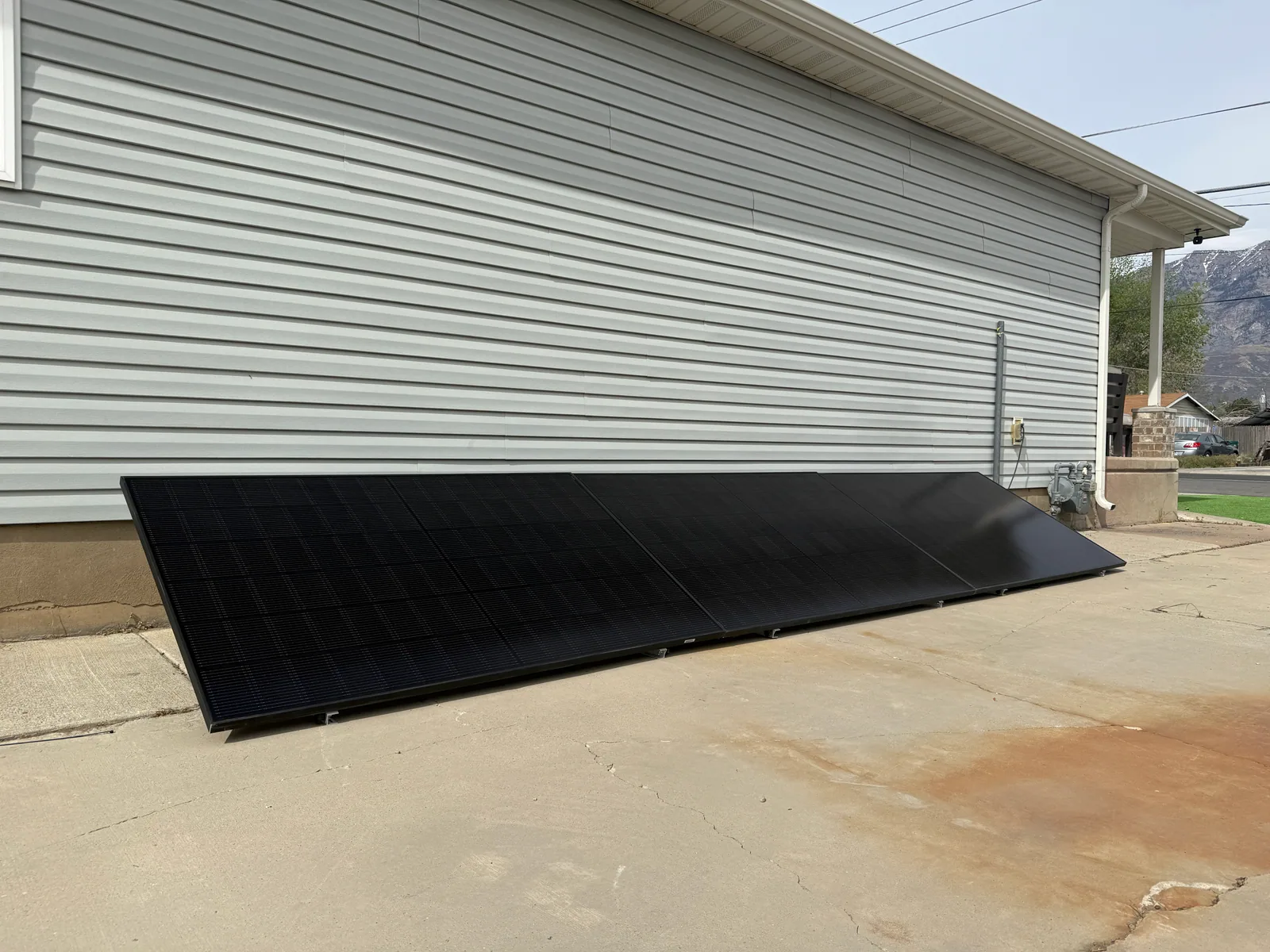
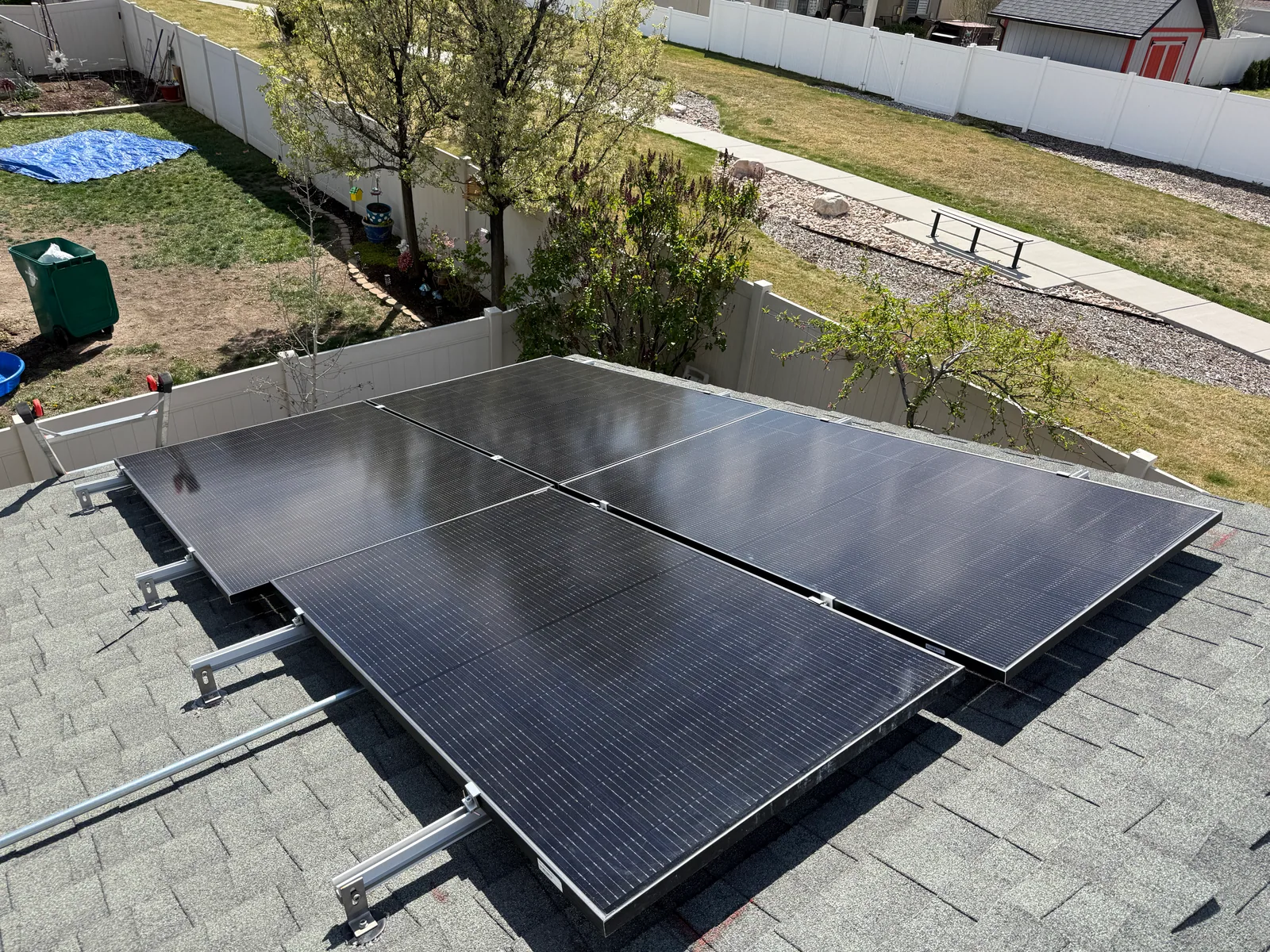
3 Panel kit + roof install
1,200W AC · EcoFlow STREAM · we install it on your roof
- Output 1200W
- Annual savings ~$365
- Payback ~5.2 yr
About a month, order to first kWh.
- 01 · TODAY
Order
Pick a kit on the buy page. DIY or have us mount it on your roof. One-time payment.
- 02 · ~1 WEEK
Receive
Free Wasatch Front delivery on Tuesdays and Fridays. Two boxes — panels and hardware.
- 03 · ~1 HOUR
Plug in
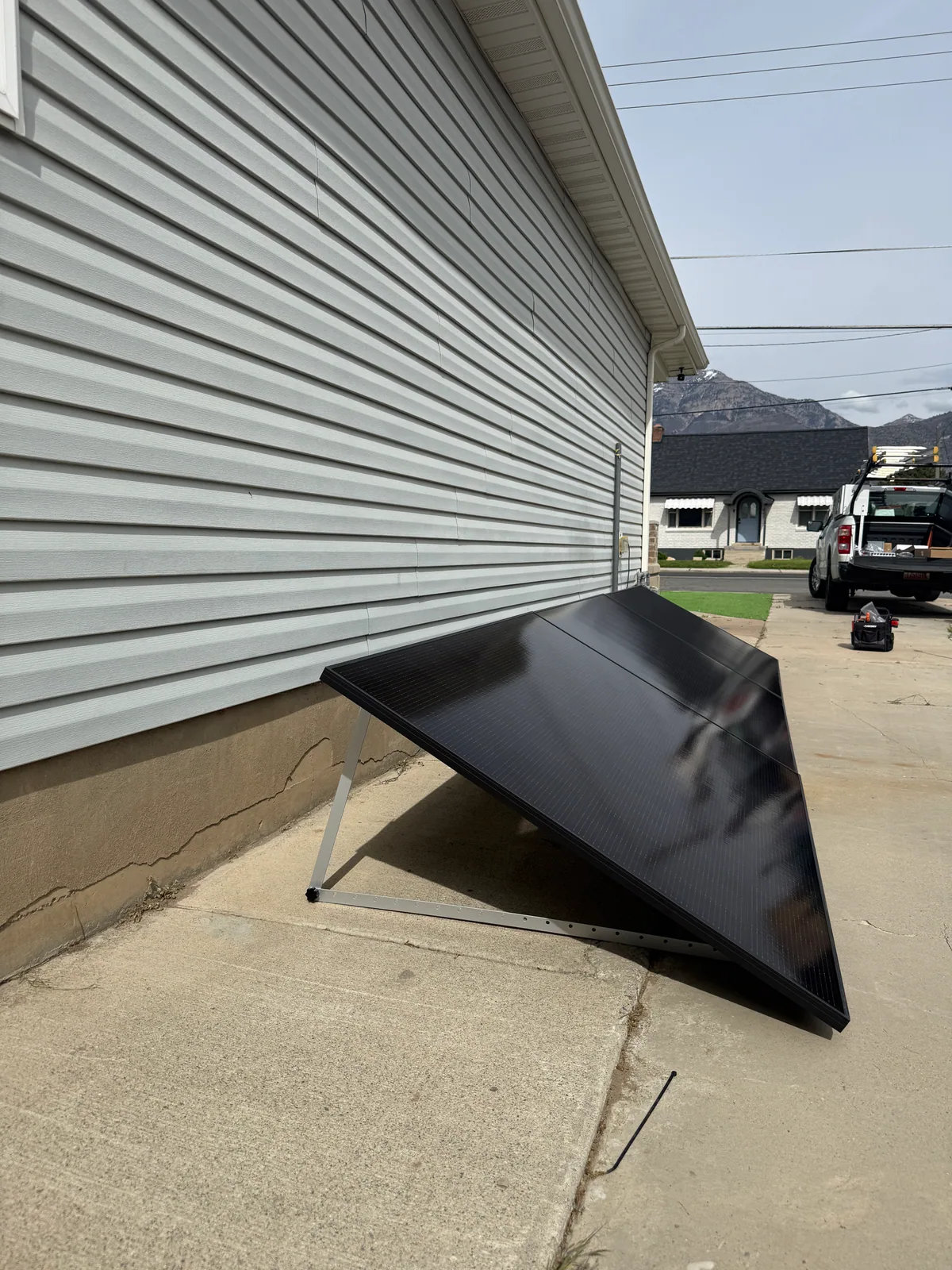
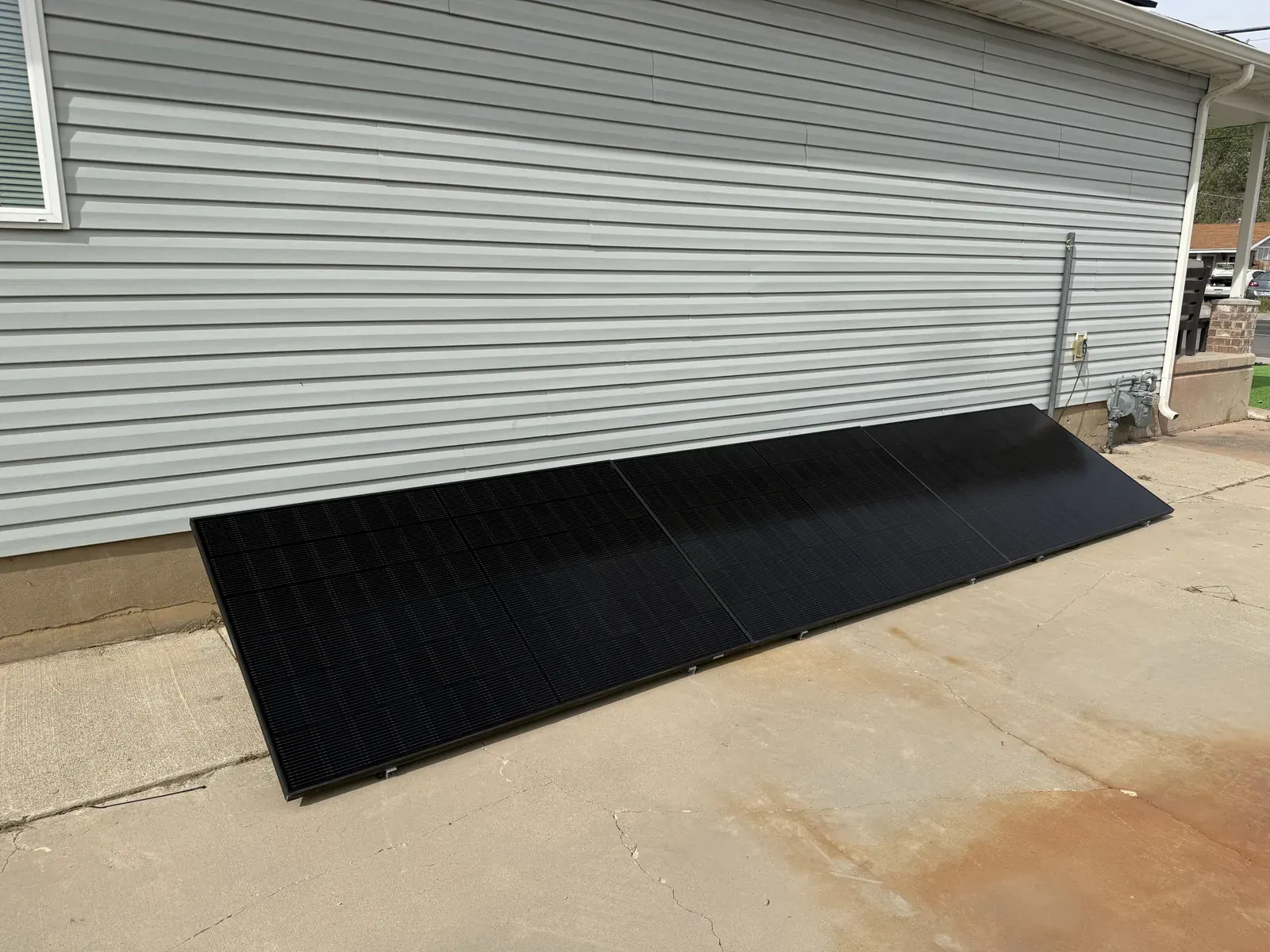
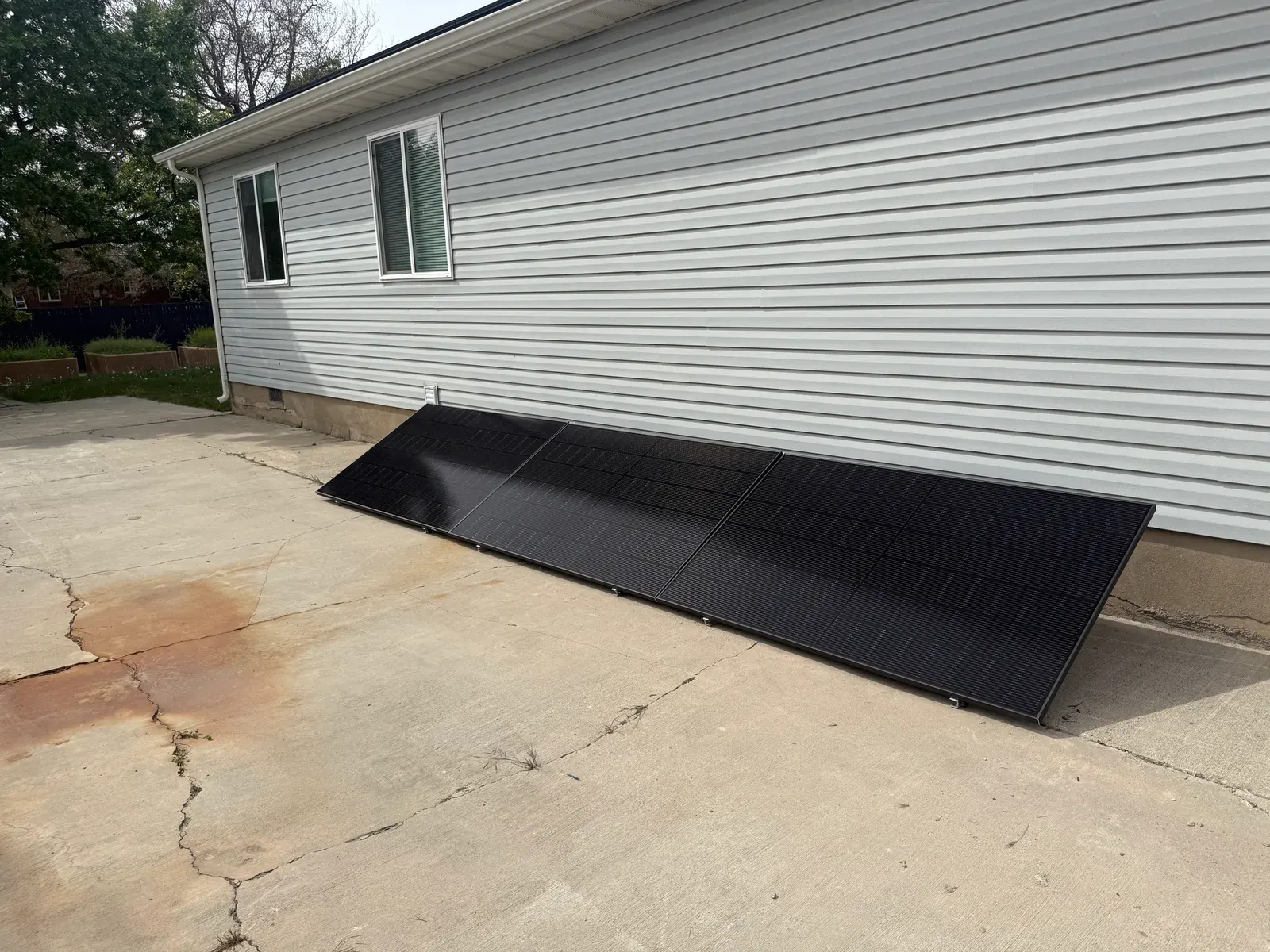
Bolt the frame together, snap the MC4 connectors, plug into your outdoor 120V outlet. Or add the roof install on the 3 Panel kit and we handle it.
- 04 · ~3 WEEKS
Save
Request a free smart meter from RMP. After the swap, watch your kWh drop on the daily usage curve.
What changed in 2025.
The federal solar tax credit ended in July.
The One Big Beautiful Bill Act killed Section 25D. Rooftop installs got 30% more expensive overnight. Plug-in kits weren't really claiming the credit anyway at this price point, so our economics didn't move when it expired.
Utah is first. Other states are still drafting.
Bills modeled on HB 340 are in committee in Vermont, Rhode Island, and a handful of others. None have passed. Outside Utah, plug-in solar is either illegal or in legal limbo.
RMP rates aren't going down.
Every year you wait is another year of tier-2 RMP rates you paid instead of offset. Rate increases keep shortening the kit's break-even.
Other common questions
Does it work in winter?
Yes. Cold actually improves panel efficiency. You produce less in winter because of shorter days and lower sun angles, not because the panels mind the cold.
Can I move it later when I sell my house?
Yes. The whole kit unbolts in 30 minutes. Plug-in solar moves with you. Rooftop stays with the house.
Can I add a battery for backup power?
Not directly. UL 1741 requires the inverter to shut off when the grid is down, so a plug-in kit on its own doesn't keep your fridge running during an outage. A portable battery (EcoFlow, Bluetti) charged from the kit is the simplest backup path.
What's the warranty?
25 years on the panels (power-output warranty). 10–12 years on the microinverter. If you add the roof install on the 3 Panel kit, we add a 1-year workmanship warranty on our install. Full warranty page →
How long until I'm producing power?
About a month, end to end. ~1 week to deliver the kit, ~1 hour to set up (if DIY), and 2–6 weeks for Rocky Mountain Power to swap your meter to a bidirectional one. You can plug in before the meter swap, but any export during that window will be billed as consumption.
I already have rooftop solar — can I add a plug-in?
Probably yes, but the situation gets specific to your account and your grandfathered net metering status. Before you stack, call RMP and confirm the addition won't break your existing interconnection agreement.
Pick a kit.
One kit — set it up yourself, or have our crew install it on your roof. Not sure which? Text us.